Death by Mulch Volcano: How Too Much Mulch Slowly Kills Trees
Mulch piled high against the trunk is the most common thing an arborist sees in parking lots and shopping centers. Why it hurts trees, and how to fix it.
 By Adam O'Connor, ISA Certified Arborist
5 minutes read
On this page
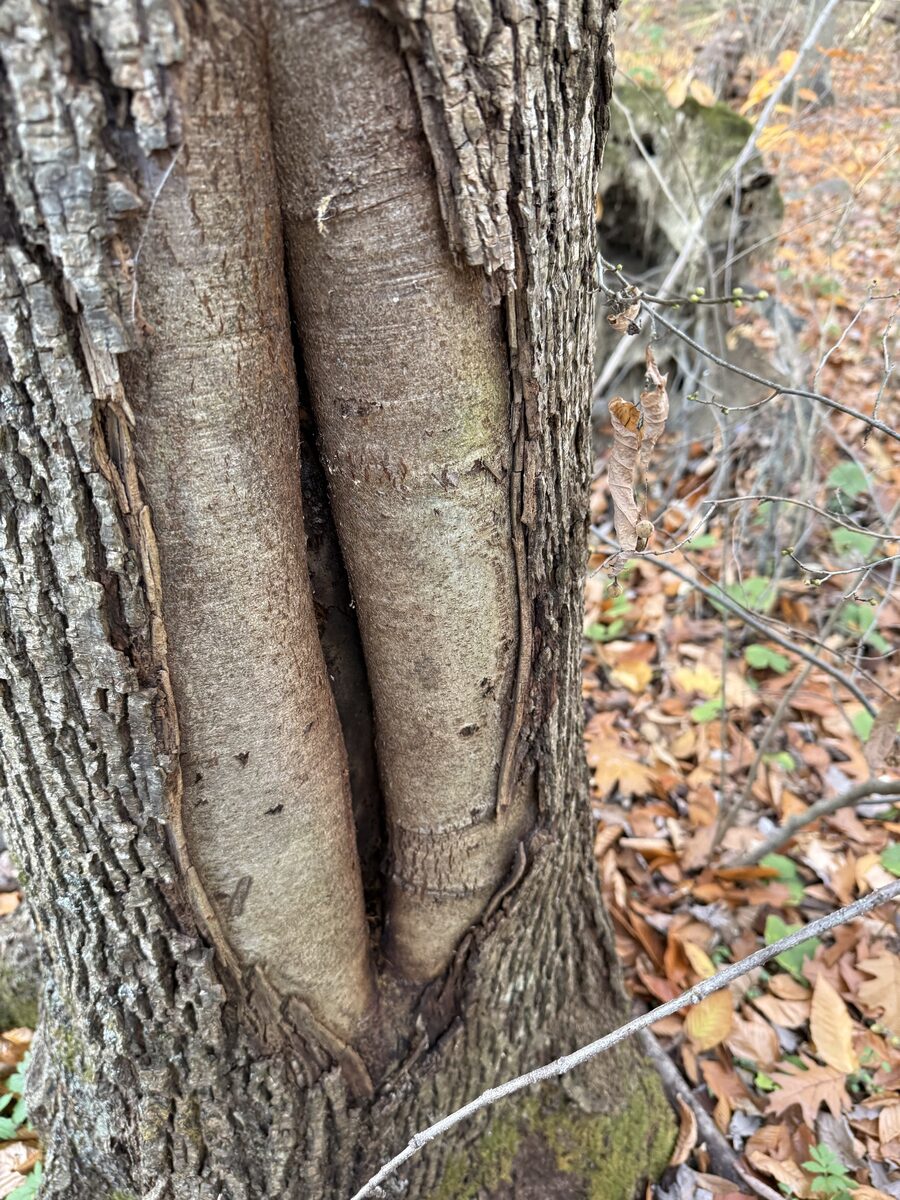
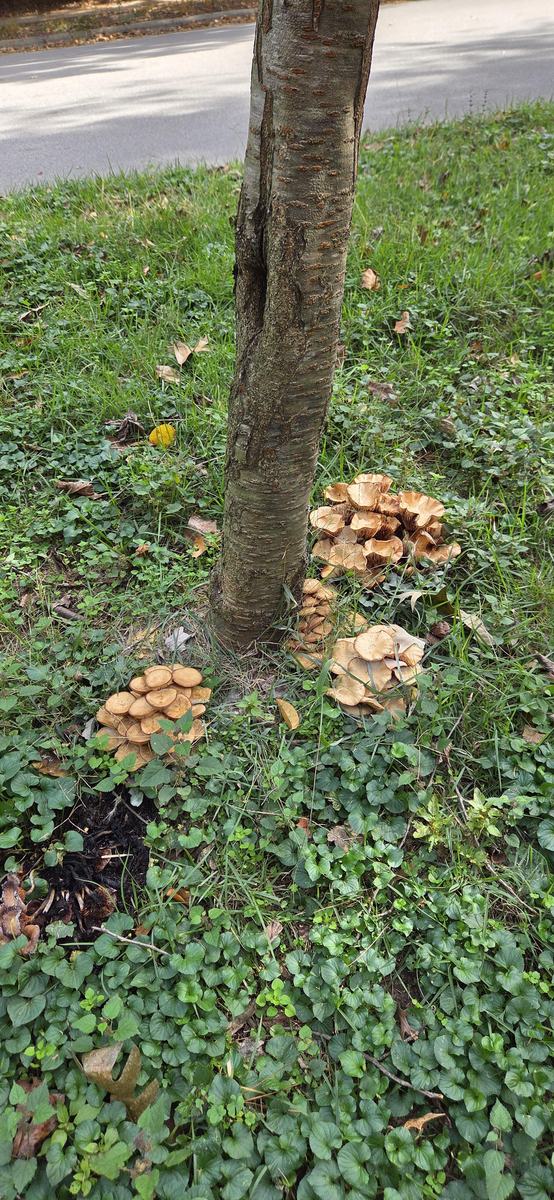
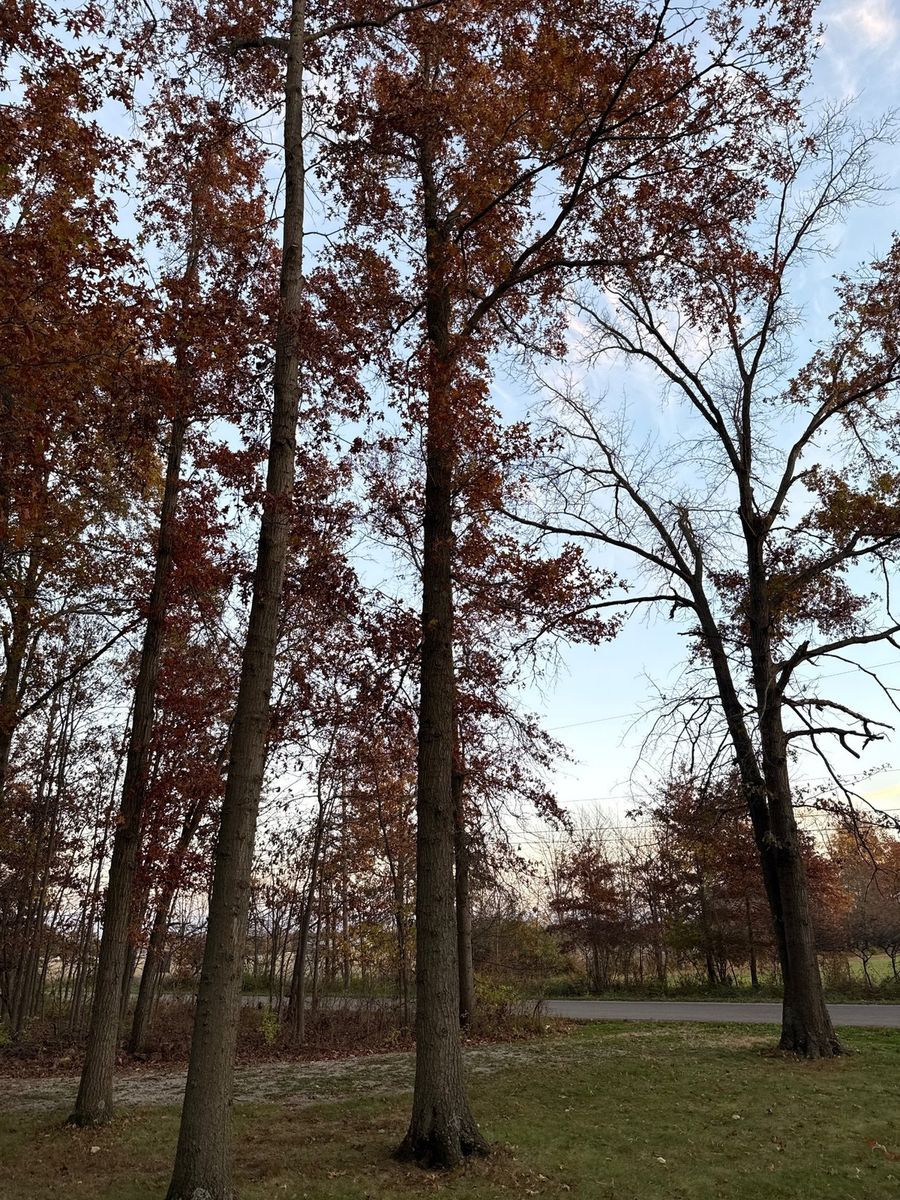
Drive through any shopping center or commercial park and look at the trees. They aren’t usually my favorite kinds of trees. They’re the selections that are common for urban sites because they put up with heat, compacted soil and road salt. The ones in these photos, from a shopping center near me, are Bradford pears (Pyrus calleryana ‘Bradford’), planted everywhere for their spring flowers and well known for splitting apart as they get older. And most of them are fighting for their lives.
I see canopy dieback, problems on the trunk, and trees that were never trained or structurally pruned when they were young. But the number one thing I see, by far, is death by mulch volcano.
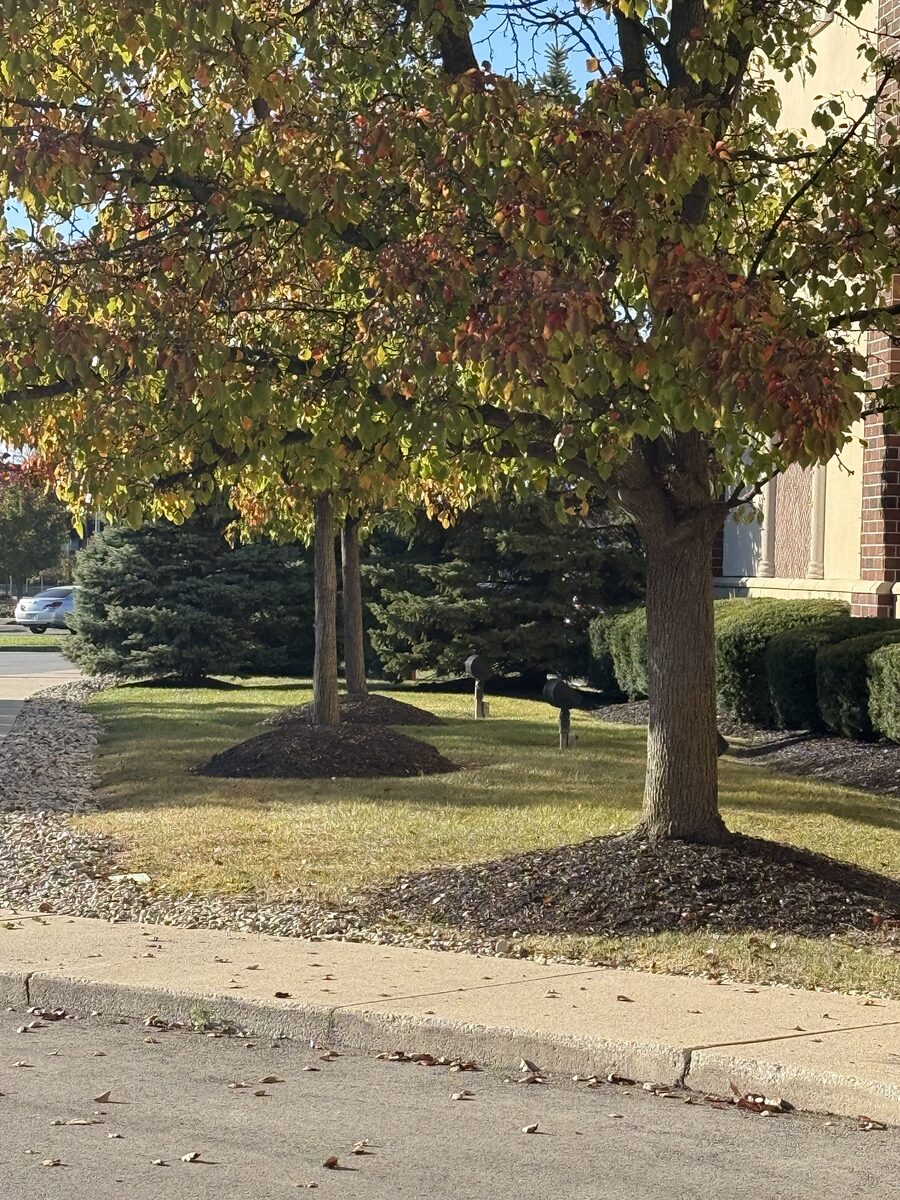
What a mulch volcano is
For some reason, commercial landscapers tend to mound mulch higher every season, until there’s no root flare left to see. The trunk goes straight down into a big cone of mulch, like a telephone pole stuck in a pile of wood chips.
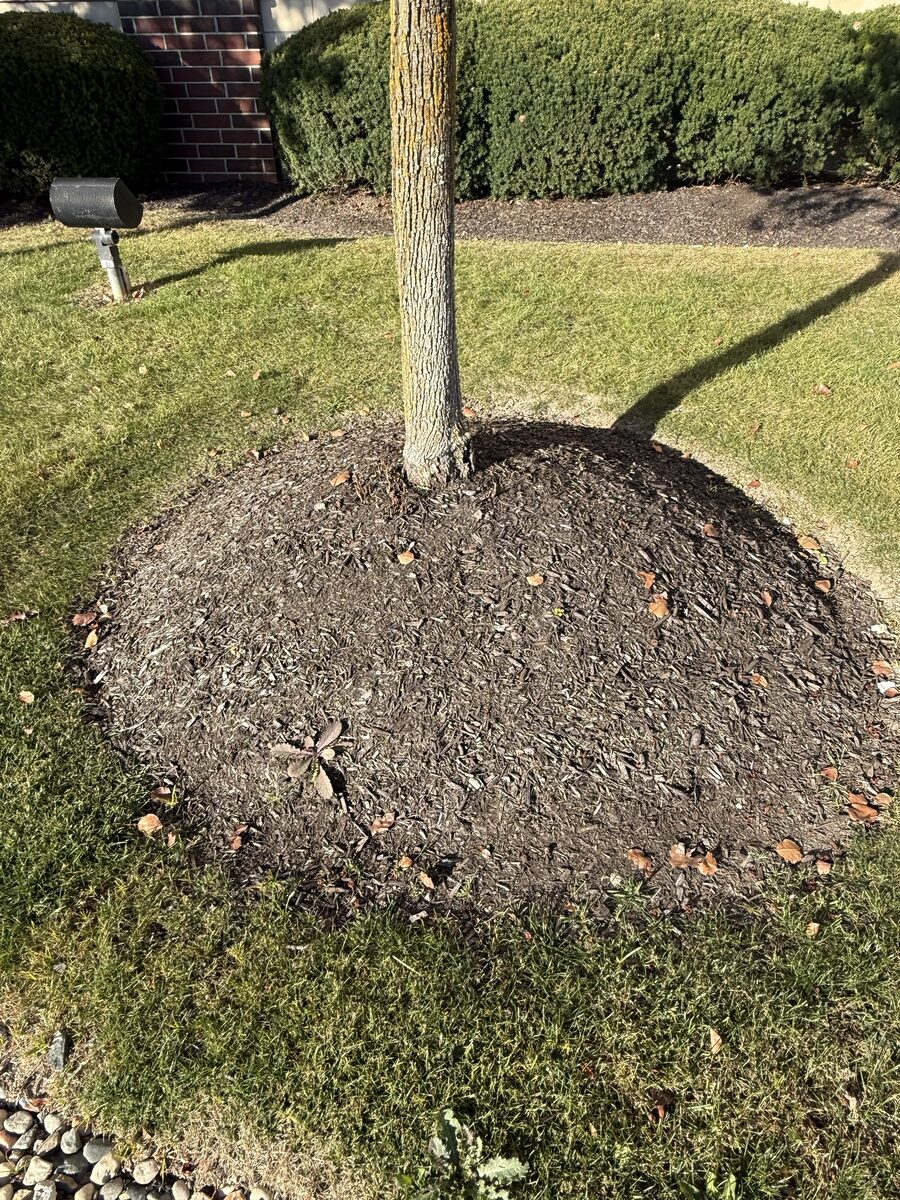
A healthy tree widens at the base where the trunk meets the roots. That’s the root flare, and you should be able to see it. When the trunk looks like it was planted in the mulch like a post, the flare is buried, and often the mulch is piled right against the bark.
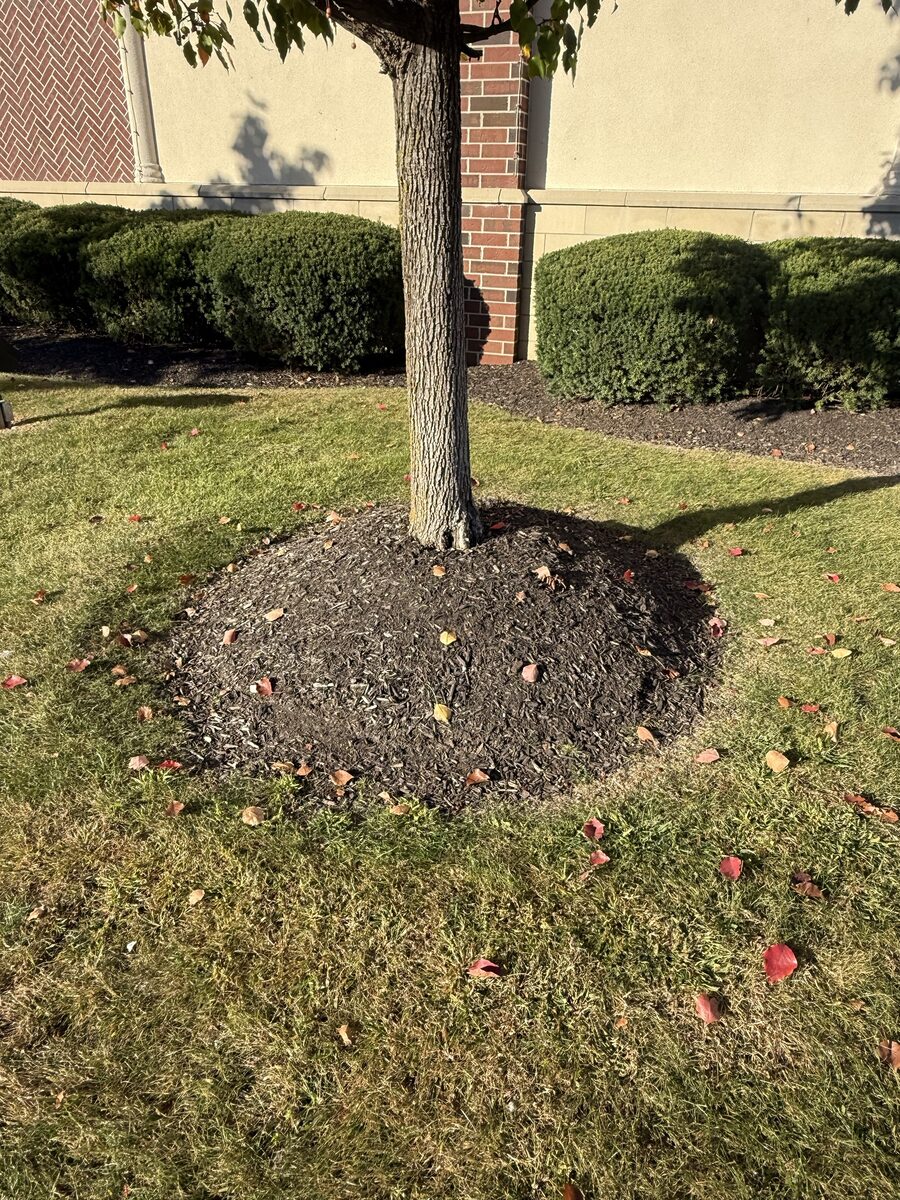
It usually builds up a little at a time. Fresh mulch goes down every spring because it looks clean and dark, and nobody rakes out last year’s first. After a few years the pile is a foot deep against the trunk.
Why it hurts the tree
The roots can’t breathe. Roots need air as much as they need water. A deep pile of mulch holds the soil wet and keeps air out, so the fine roots near the surface, the ones doing most of the work, suffer.
The bark stays wet. Trunk bark is made to be in the air, not buried. Mulch packed against it holds moisture right on the bark, day after day. Over time the bark breaks down, and that opens the door to insects, mold, rot and eventually decay in the trunk itself.
Roots grow in the wrong place. A tree with a deep mound around it will often send roots up into the mulch, where they dry out in summer and freeze in winter. Some of those roots end up circling the trunk, and as the trunk and the root both grow, a root wrapped around the base can choke it.
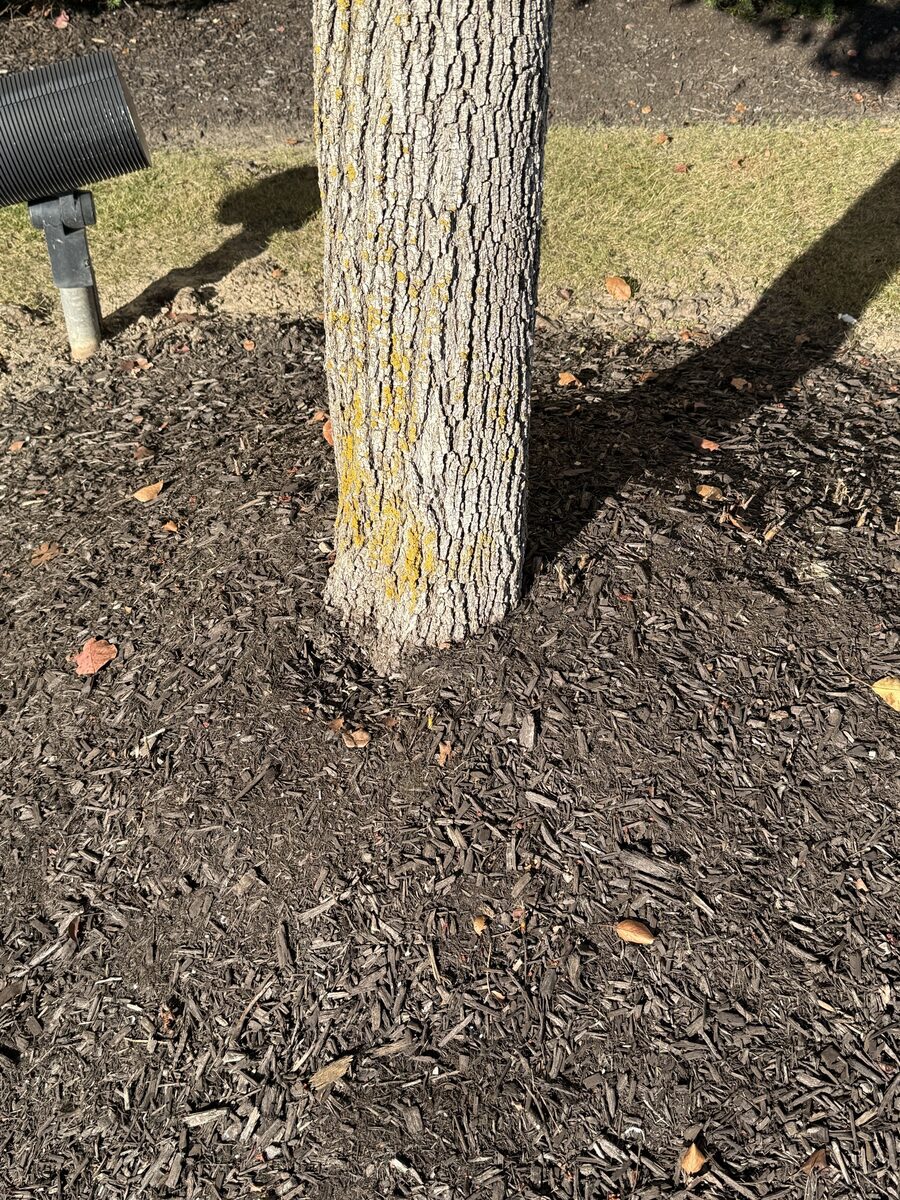
None of this happens overnight. It’s a slow decline, often over many years, and by the time anyone notices, the tree has been struggling for a long time.
Where you see it: the canopy
A lot of the time, the first sign is up in the crown. Twigs and small branches die back at the tips, the canopy gets thin, the leaves are small or turn early in the fall.
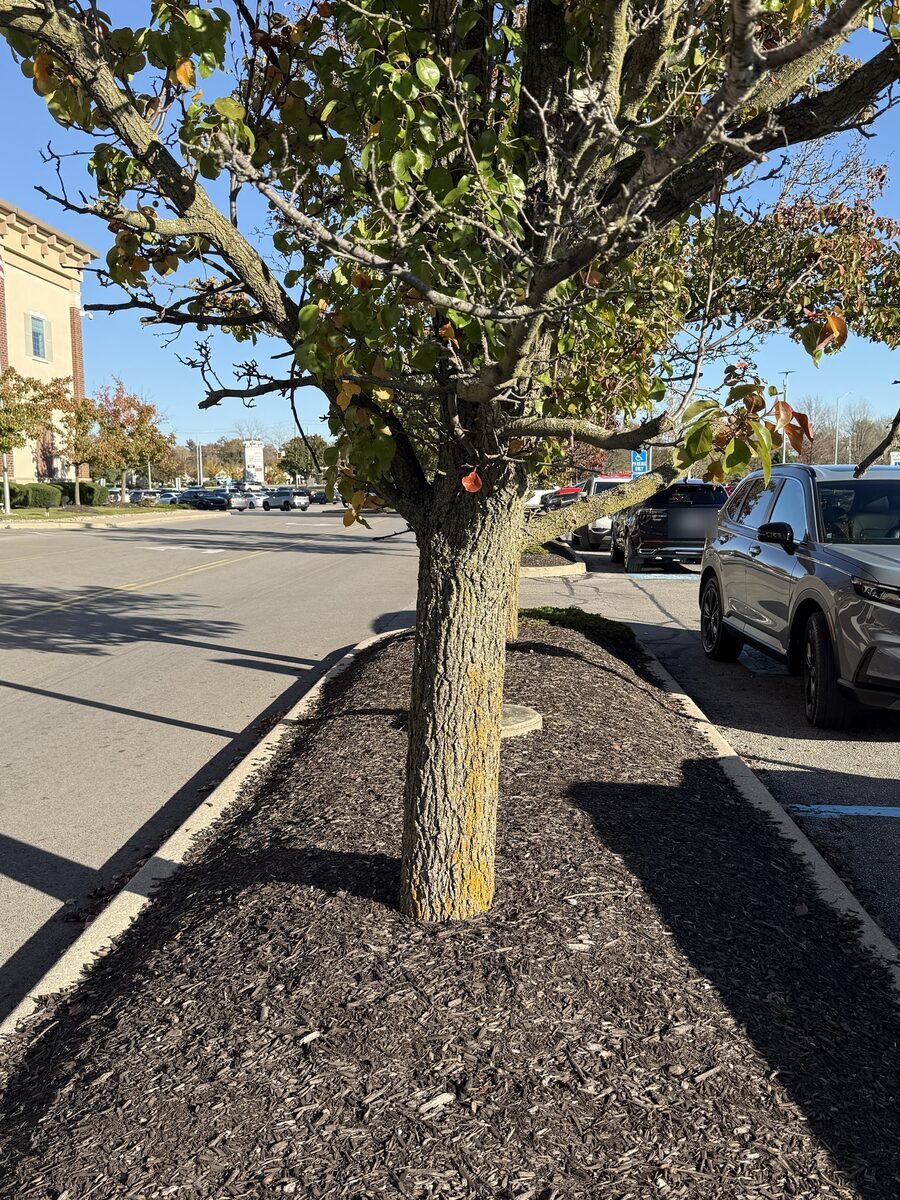
Dieback can have more than one cause, especially in a parking lot, where the soil is compacted and the roots have little room. But when I see dieback and a buried root flare on the same tree, the mulch is the first thing I’d fix.
Why it matters for tree risk
From a tree assessment point of view, a mulch volcano hides exactly what I want to see. The base of the trunk and the root flare are where you look for decay, fungal growth, cracks and girdling roots. With a foot of mulch over them, you can’t assess what you can’t see.
And these trees aren’t out in the woods. They’re over parked cars, sidewalks and store entrances, so a weak base or a dying limb has something to land on.
How to do it right
- Find the flare. Pull the mulch back from the trunk until you can see where it widens into the roots. If the tree has been buried for years, an arborist can dig it out carefully and check for roots circling the trunk.
- Make a donut, not a volcano. Spread mulch two to four inches deep in a wide, flat ring, and keep it a few inches away from the bark all the way around.
- Go wide, not high. A wide ring out toward the edge of the canopy does far more for the roots than a tall pile at the trunk.
- Don’t just add more. Before putting fresh mulch down, check how much is already there. Often the answer is to rake it out and top up only the thin spots.
Spread the word
If you manage a property, or you hire someone who does, take a look at the base of your trees this week. If they look like poles stuck in a pile of wood chips, it’s worth a call to your landscaper, or to an arborist. Pulling the mulch back is one of the cheapest things you can do to help a tree live longer.