Case Study: A Buckeye With a Wound at Its Base
A street buckeye that looked fine and sounded fine, until the probe went into its roots by the curb. Why it rated Low, and why I'm going back in a year.
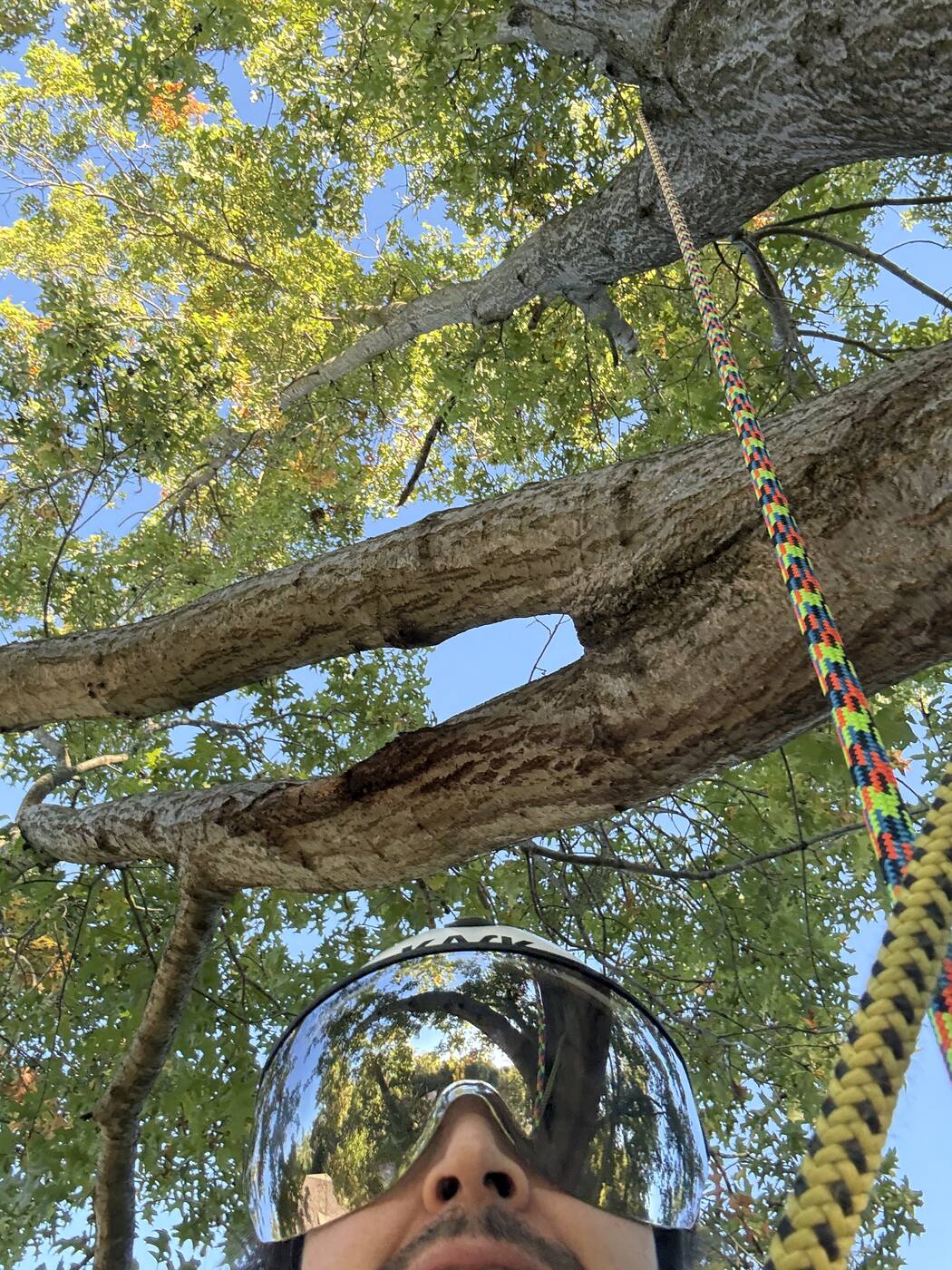 By Adam O'Connor, ISA Certified Arborist
5 minutes read
On this page
At a glance
- Tree: Ohio buckeye, Aesculus glabra
- Size: About 24 to 34 inches DBH, 55 to 70 feet tall
- Setting: A street tree on the edge of a curb at an alley, Northwest Ohio
- What’s in reach: The sidewalk, the street and its parked cars, houses and a driveway on both sides, and the overhead lines
- Overall risk rating: Low, over 12 months
- Recommended: Clear the deadwood and clean up the canopy now, then come back in a year to test the roots
Why I was called
I was called out to take a look at this buckeye. For my assessment I used a mallet, a scope, a tape measure and a probe.
The site and what’s in reach
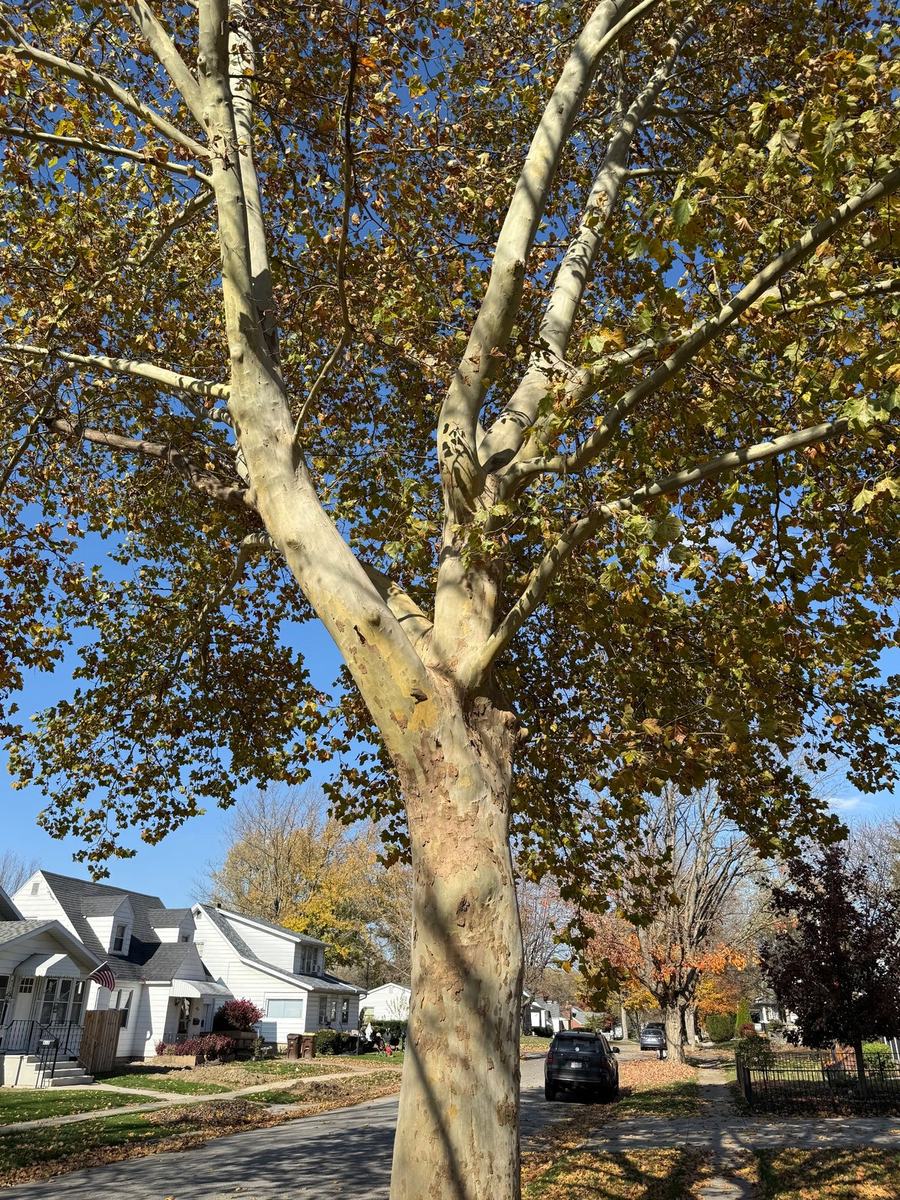
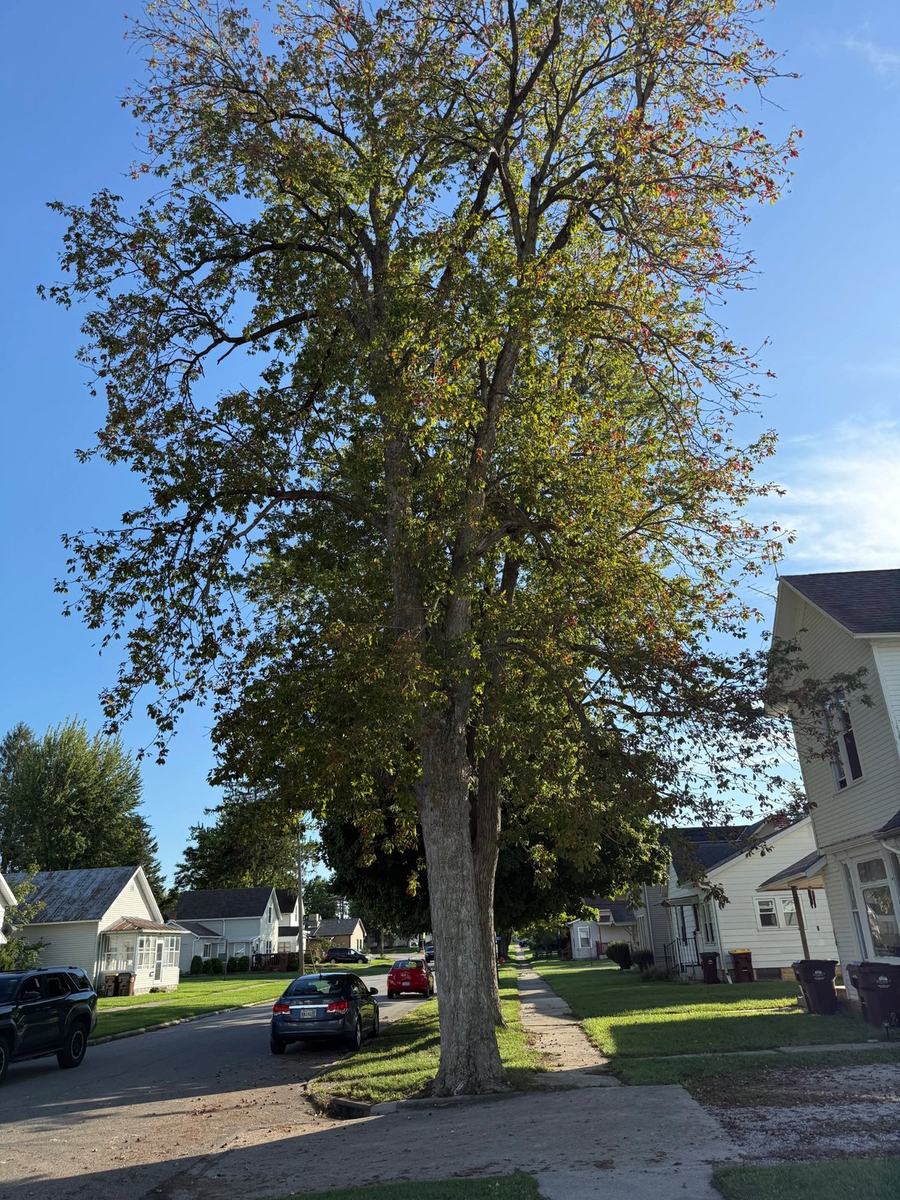
This buckeye grows right on the edge of a curb, where an alley meets the street, with the sidewalk passing a few feet from the trunk. Its crown reaches over the street, where cars park and drive under it all day, and the houses and a driveway on both sides are within one tree height. Overhead lines run along the street near the outer crown.
What I saw
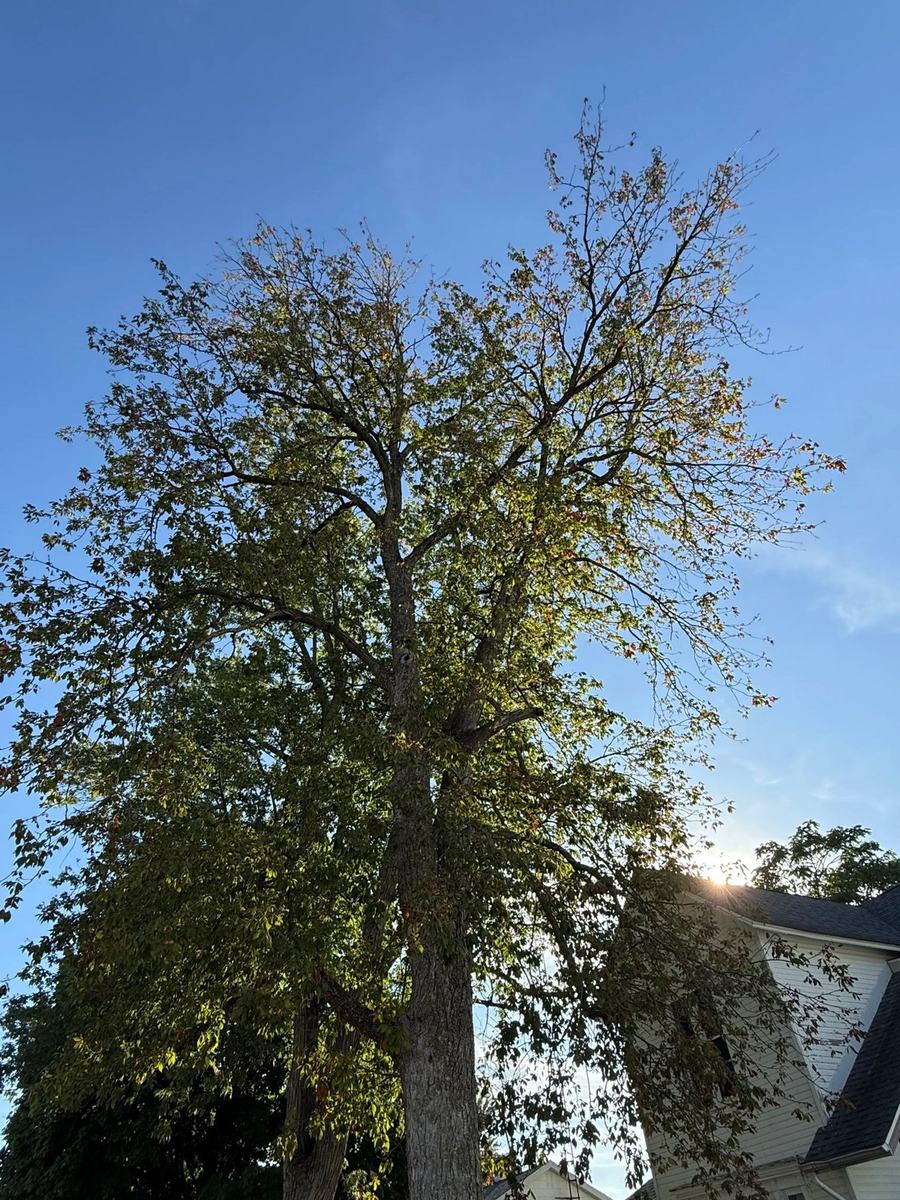
For a residential urban tree, it didn’t look too bad at first glance. Looking through the canopy, it looked pretty decent. There was a little dieback, but by the time I did the assessment the leaves were already dropping. Buckeyes drop their leaves a little early, so a lot of the browning was just the season.
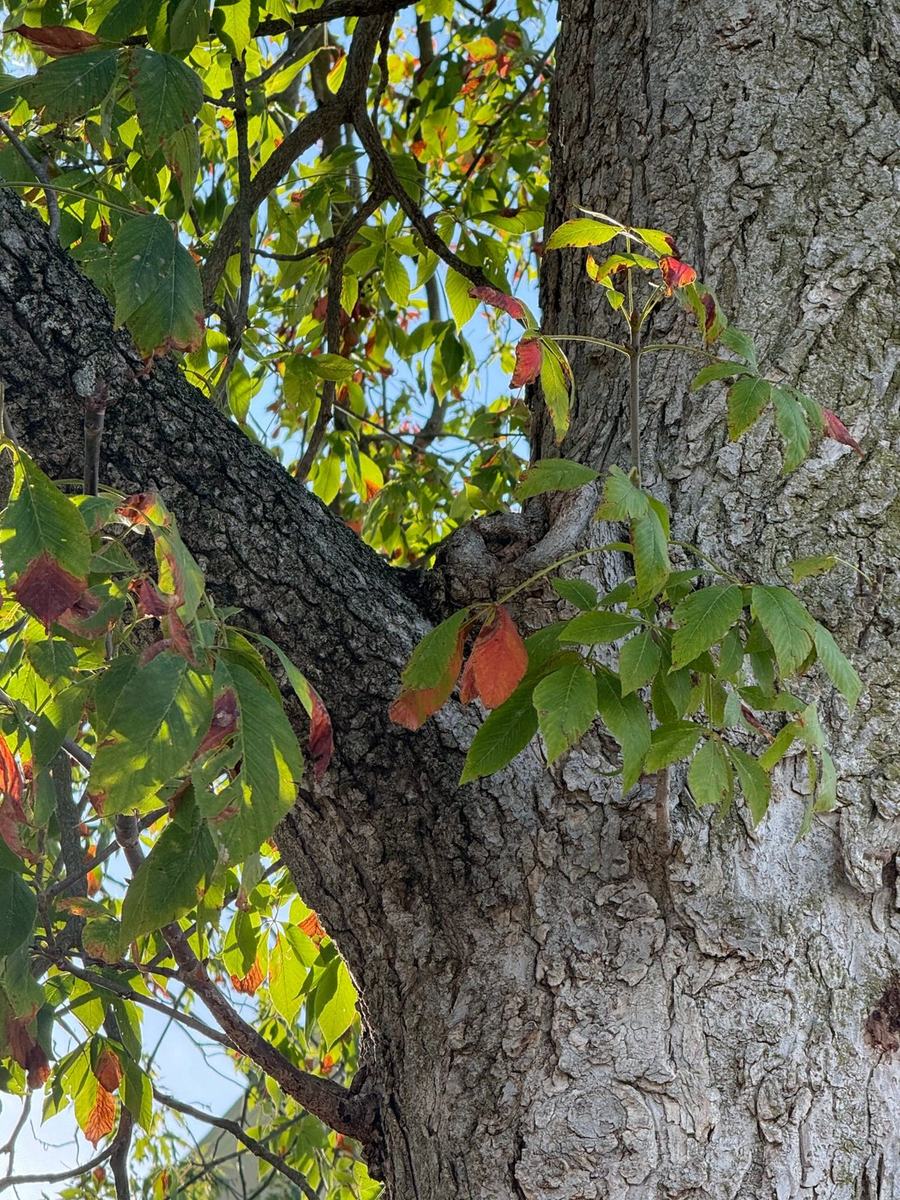
I spotted the typical amount of deadwood and a few cavity areas, but nothing major.
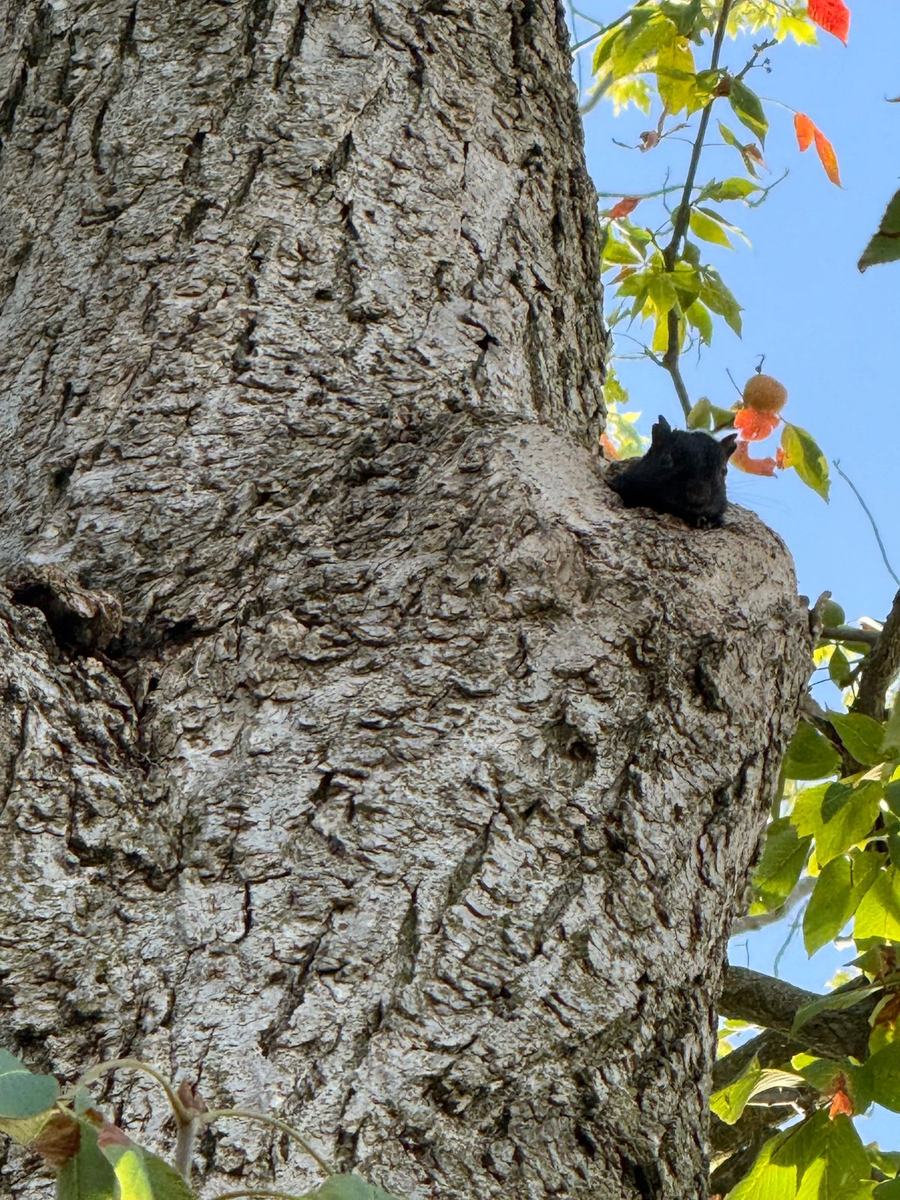
One of those cavities had a tenant. A squirrel was using it while I was there.
When I sounded the trunk, it sounded pretty good.
The issue with this tree is where it grew: on the edge of a curb. Over the years a lot of water has drained in between the tree and the curb, so the ground never gets a chance to dry out fully, or at least not quickly enough to avoid rot.
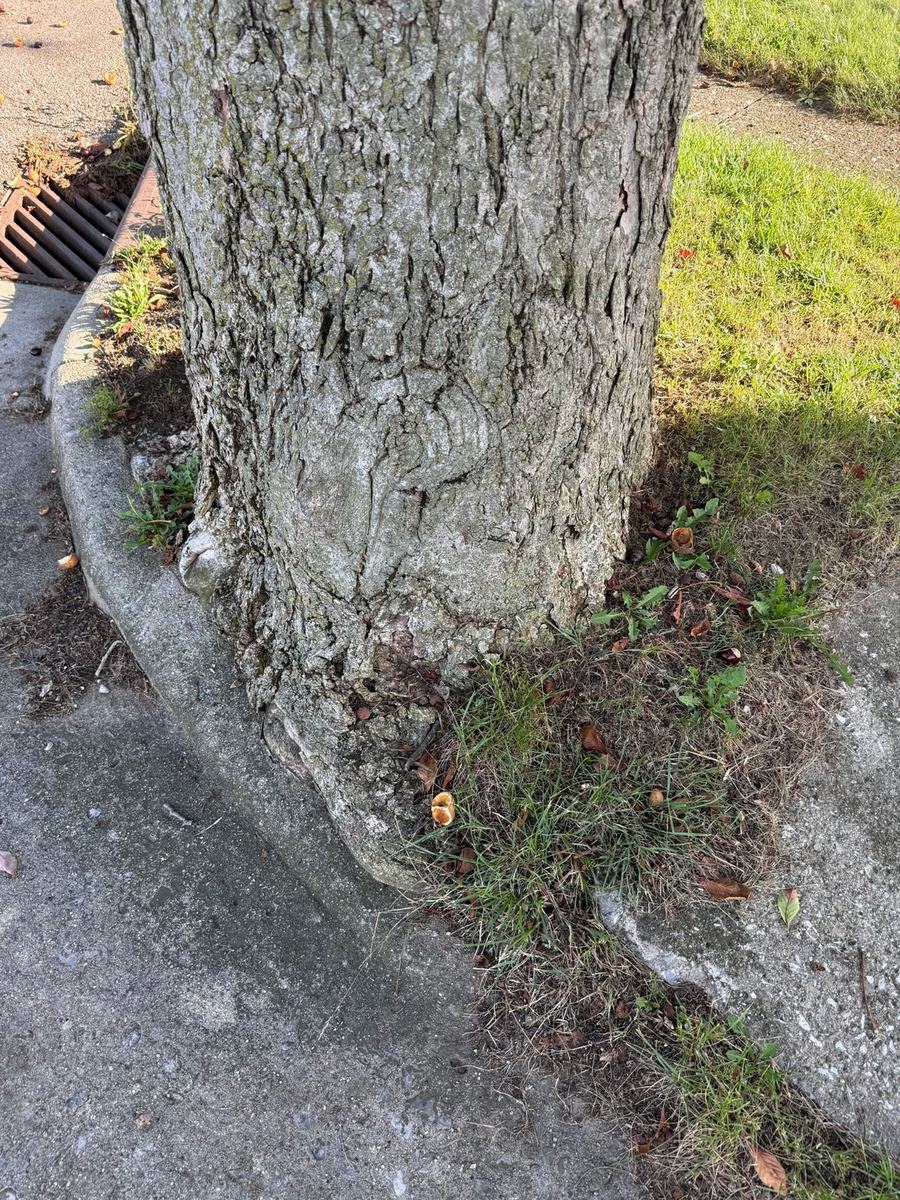
To make matters worse, people who cut the corner too short at that alley kept hitting the root flare with their tires. You can see it in all the scarring at the base, and in the woundwood the tree has grown to make up for the damage.
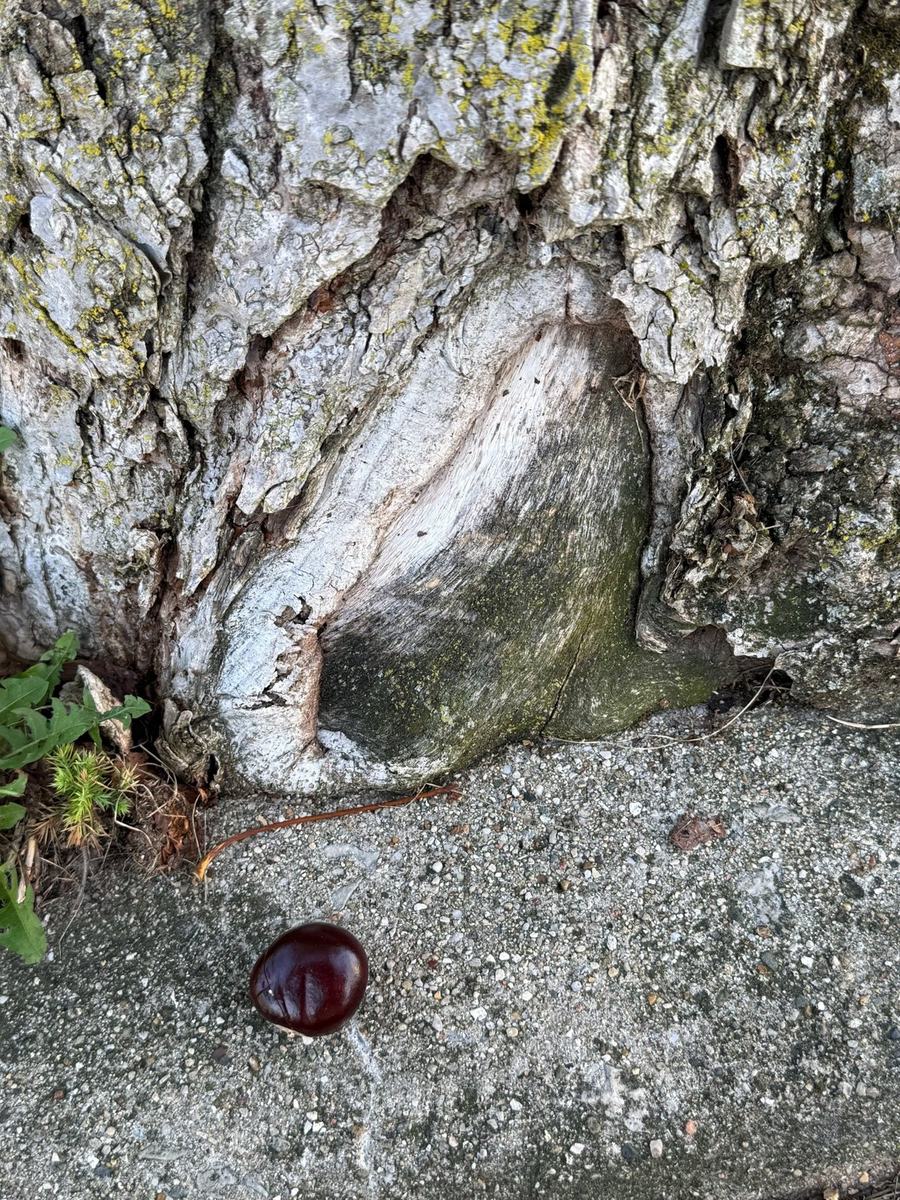
A closer look
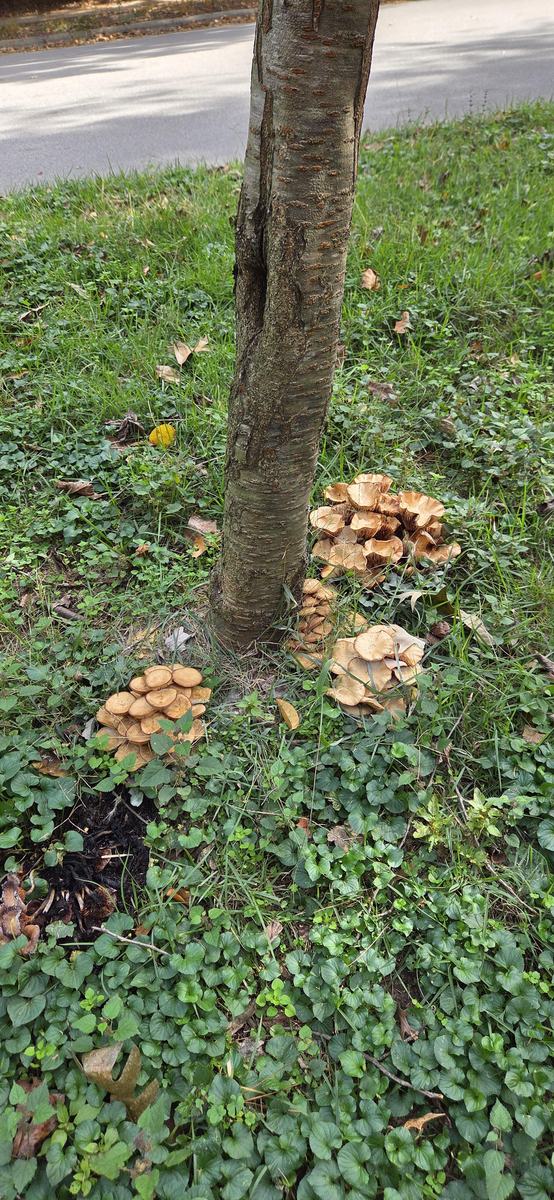
Everything seemed pretty normal until I probed the base of the tree. The roots that grew against the curb embankment were pretty punky. My probe went in quite a distance, and I could push on the root itself and have water come out. It was clear that the buttress roots were very decayed and full of white rot. There was also a small cluster of orange-brown mushrooms at the root flare by the sidewalk edge.
How I rated the risk
Even so, the tree seems pretty solid. My concern is that in a prevailing wind or a heavy gust from a severe storm, there’s not a whole lot of support coming from that rotten root.
The whole tree going over. With decayed buttress roots and the scarred base, that’s the failure that would matter most, toward the street or the sidewalk, and it would be severe. But the tree sounded good and it’s holding solid, so I rated failure possible within the year, and a hit on a passing pedestrian or car unlikely. Low.
A long side limb breaking. The limbs are 6 to 12 inches across and would fall 25 to 45 feet. Failure possible, a hit unlikely. Low.
Deadwood dropping. The dead pieces are small, 1 to 4 inches. Probable to fall, somewhat likely to land on a car, but they’d do minor damage. Low.
That makes the overall rating Low, for now.
What I recommended
I set the reassessment for one year. In the meantime, the mitigation is to clear the deadwood and clean up the canopy.
Next year I’ll come back, do some testing on those roots, and see whether the tree needs to come down.
What happened
The deadwood and canopy clean-up are the work for now, and the tree is on the calendar to be reassessed in a year. I’ll add what the testing shows here.
What this tree taught me
A tree can look decent and sound good and still be rotting where you can’t see it. Here it was the site that did the damage: water that never drained away from the curb, and tires clipping the flare at the corner. Probe the roots, especially where a tree is hemmed in by pavement. And a Low rating isn’t the end of the story when you know something is changing. That’s what the reassessment date is for.